
[Finance] Riches and Wealth

Audio version: An AI-generated two-person discussion exploring the ideas in this post.
We often hear the words "rich" and "wealthy." They are related, but they are not the same. Let us explore the difference.
On Being Rich
To be rich is to have a lot of money to spend now. We connect it with a lavish lifestyle and expensive things. But being rich does not mean you are financially stable for the long run. A rich person might earn a great deal but also spend a great deal to support that life.
Perhaps a large sum of money arrived suddenly, from a lottery win or an inheritance. Or perhaps there is little cash on hand, but a high credit limit that can fund a rich lifestyle for a time. Examples of this life are all around us.
On Being Wealthy
To be wealthy is to have assets and financial security that last. It is more than just income. Wealthy people own things that make money over time—stocks, bonds, real estate, or businesses.
A wealthy person might not need to work to afford their lifestyle. Their wealth alone generates enough to cover their needs. This is the great benefit of wealth. It frees your time to use as you wish. Some wealth, like a house or a business, is visible. Other forms, like stocks or bonds, are not.
"Being rich is having money, being wealthy is having time." — Margaret Bonanno
How Rich Do You Want to Be?
You are as rich as what you spend. So, how rich do you want to be? Maslow's hierarchy of needs can help us examine our spending.
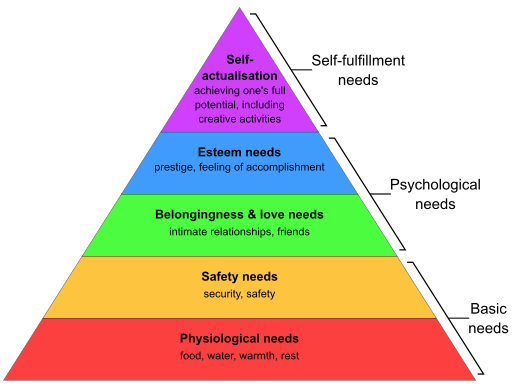
Image courtesy of Wikimedia Commons, Androidmarsexpress, CC BY-SA 4.0
At the bottom of the pyramid are our basic needs: food, shelter, safety, and security. A rich lifestyle is not about these, so we move up.
The third level is love and belonging—friendship and family. Here, luxury spending can appear. A fancy gift or a grand vacation can seem to strengthen a bond. But true relationships are built on emotional connection, not on things. Luxury can add comfort or express care, but it is not the foundation.
The fourth level is esteem: respect, status, and recognition. Here the rich lifestyle is most obvious. People often chase this life not just for pleasure, but for the status it brings. An expensive watch or car can signal "success" and win recognition from others.
The question, then, is this: "How much must you spend to meet your need for esteem?" Can heavy spending truly satisfy this need? And what happens if you can no longer afford it? Will the respect and status remain? Are there other ways to build self-esteem without spending beyond your means?
This may sound like a moral lecture. It is not. We ask these questions to simplify our lives. Marketers work to complicate and confuse, urging us to spend. Our best defense is to understand ourselves and our finances. This clarity keeps life simple. Without it, money problems can overwhelm us.
A rich lifestyle is a personal choice. But you should choose it with a clear view of your reasons. Think about how much you truly need to spend to feel respected and secure.
Thinking About Wealth
Wealth gives us time and freedom. It allows us to live as we want. This connects to the top of Maslow's hierarchy: self-actualization. To pursue your full potential takes time and resources. Wealth helps you seek fulfillment, personal growth, and meaningful experiences.
Think of wealth as something permanent. See it in nature—in an apple tree that gives fruit year after year. Your own wealth, whether in stocks, bonds, or a business, can be designed to last.
If you can, enjoy the income your wealth generates, but leave the principal alone. Let it compound. Wealth, ultimately, lets you live life on your own terms.
Series: Personal Finance